

low iron frosted glass
Understanding the Snap-On Dial Gauge Precision Measurement Tool In the world of mechanics and engineering, precision is paramount. A snap-on dial gauge, a staple in workshops and production lines, is essential for ensuring that measurements are accurate and reliable. This tool is known for its ease of use and the immediate feedback it provides, making it a favorite among professionals in various fields. What is a Snap-On Dial Gauge? A snap-on dial gauge is a type of measuring instrument used to measure small distances or variations in height with high precision. It consists of a dial face with a needle that indicates the distance on a calibrated scale. The gauge operates based on a simple principle as you place it against a surface or object, any variation in height moves the needle, allowing users to read the exact measurement on the dial. Key Features and Benefits One of the standout features of a snap-on dial gauge is its user-friendly design. Unlike digital gauges, which may require battery power and can sometimes malfunction, a dial gauge is purely mechanical. This means it’s more reliable in environments where electronics might fail, such as during heavy vibrations or extreme temperatures. Another advantage is its versatility. Snap-on dial gauges can be used for a range of measurements, including checking the flatness of surfaces, the run-out of rotating parts, and the alignment of gears or pulleys. In cars, for example, mechanics use dial gauges to measure brake rotor thickness, ensuring even wear and optimal performance. Calibration and Maintenance snap on dial gauge For any measuring instrument, accuracy is vital. Calibrating a dial gauge is essential to maintain its precision. Calibration involves comparing the measurements obtained with a standard measurement and adjusting the gauge accordingly. Most manufacturers offer calibration services, but users can also perform regular checks against known standards to ensure ongoing accuracy. Maintaining a snap-on dial gauge is relatively straightforward. Regular cleaning, particularly of the measuring tip, is necessary to prevent debris from affecting readings. Additionally, users should store the gauge in a protective case to avoid damage when not in use. Application in Various Industries Snap-on dial gauges find applications in numerous industries. In automotive manufacturing, they help ensure parts fit together correctly, which is crucial for overall vehicle safety and performance. In aerospace, these gauges are indispensable in the assembly of aircraft components, where minute discrepancies can lead to significant issues. In machinery and tooling, these gauges help maintain precision in the manufacturing process, leading to higher quality products and reduced waste. The woodworking industry also utilizes dial gauges for checking the flatness of surfaces and the thickness of materials, guaranteeing that products meet specifications. Conclusion In conclusion, the snap-on dial gauge is a critical tool in various professional settings, helping ensure precision and reliability in measurements. Its mechanical design, ease of use, and versatility make it a preferred choice for many industries. With proper calibration and maintenance, a snap-on dial gauge can deliver accurate measurements and is invaluable for any mechanic, engineer, or technician dedicated to their craft. As industries continue to demand higher precision, the snap-on dial gauge will remain an essential instrument in achieving these standards.
about
low iron frosted glass
Understanding Snap Gauge Types A Comprehensive Overview Snap gauges are essential tools in precision measurement, widely used in various industries such as manufacturing, automotive, and aerospace. They serve a critical function in quality control processes, enabling manufacturers to ensure that their products meet specific dimensional tolerances. This article examines different types of snap gauges, their applications, advantages, and how they contribute to product quality. What is a Snap Gauge? A snap gauge, also known as a snap gauge caliper, is a mechanical measuring instrument designed to check the dimensions of an object quickly and accurately. Unlike conventional calipers, snap gauges are specifically designed to measure parts in a single position. They typically consist of a rigid frame, measuring tips that touch the workpiece, and a mechanism for displaying or recording measurements. Types of Snap Gauges There are several types of snap gauges, each suited for specific applications. The two primary categories are fixed snap gauges and adjustable snap gauges. 1. Fixed Snap Gauges Fixed snap gauges have a set dimension and are used to determine if parts are within acceptable limits. These gauges do not allow for dimension adjustments, making them ideal for high-volume production where parts are uniform. - Applications Commonly used in assembly lines where components are consistently manufactured to a specified size. They are often employed in quality assurance processes to reject out-of-spec parts quickly. - Advantages Their simplicity reduces the likelihood of user error. They also enhance efficiency because operators can measure parts without adjusting gauge dimensions. 2. Adjustable Snap Gauges Adjustable snap gauges, as the name suggests, can be set to various dimensions, making them versatile for different tasks. Users can calibrate the gauge according to the specific measurement requirements. - Applications Suitable for work environments where product dimensions vary or where custom parts may be manufactured. Industries that often deal with prototype or low-volume runs benefit significantly from adjustable gauges. - Advantages Flexibility in measurement allows for a broader application, accommodating various part sizes and shapes. This feature is vital in industries where design specifications may change frequently. snap gauge types Specialized Snap Gauges Within the main categories, specialized gauges have emerged to serve particular measurement needs - Go/No-Go Snap Gauges Designed for simple validation of part dimensions, these gauges have two ends—one that represents the maximum acceptable size (Go) and another for the minimum acceptable size (No-Go). If a part fits the Go side but does not fit the No-Go side, it is considered acceptable. - Depth Snap Gauges These gauges measure the depth of holes or recesses in components. They are crucial for applications requiring precise depth specifications, common in machining and fabrication. - Profile Snap Gauges Used to measure the contour or profile of a part. These gauges are essential for ensuring that intricate designs meet their specific requirements, especially in industries like aerospace or automotive where aerodynamics are critical. Advantages of Using Snap Gauges The use of snap gauges comes with numerous benefits, including - Accuracy Snap gauges offer high precision, reducing the chances of human error associated with manual measurements. - Time Efficiency The ability to measure quickly allows for rapid assessments, crucial in high-volume production environments. - Ease of Use The straightforward design and operation of snap gauges make them accessible even to less experienced operators. - Cost-Effective Investing in snap gauges can lead to long-term savings by minimizing waste through better quality control. Conclusion Snap gauges are invaluable tools in the measurement toolkit, supporting quality assurance and manufacturing processes across various industries. Understanding different types of snap gauges, their applications, and advantages allows manufacturers to choose the right tool for their needs. Whether used in high-volume production settings or specialized manufacturing environments, snap gauges play a key role in producing high-quality products that meet stringent specifications. As technology continues to advance, the design and functionality of snap gauges will likely evolve, further enhancing their capabilities and applications.
-

High quality industrial productsagement

High quality industrial products
View Details -

Meet the diverse needs of customers

Meet the diverse needs of customers
View Details -

Strict quality control

Strict quality control
View Details -

Top raw materials

Top raw materials
View Details -

Trusted supplier

Trusted supplier
View Details
Our application


news and information
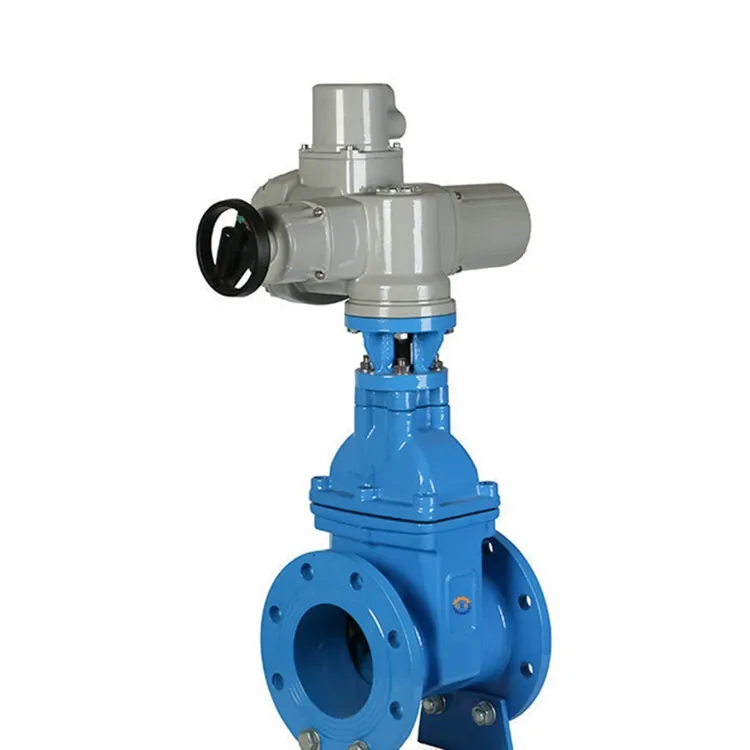
Valvola a saracinesca elettrica a tenuta morbida
La scelta e l'utilizzo corretti di una valvola a saracinesca da 150 mm sono fondamentali in numerose
Wood frame joinery solutions for seamless construction and structural support connections
Wood frame connectors are essential components in any wooden structure, providing stability and supp
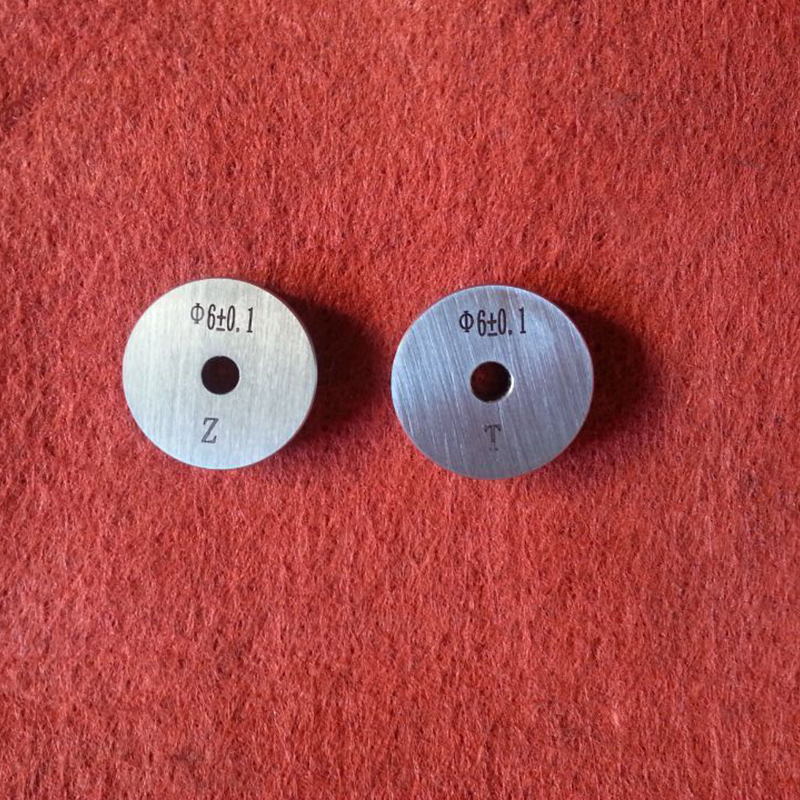
Using Ring Gauges for Precision Measurement and Quality Control in Industrial Applications
The Importance of Ring Gauges in Quality Control In the realm of manufacturing and engineering, prec
 English